Journey of PREM in Tamil Nadu
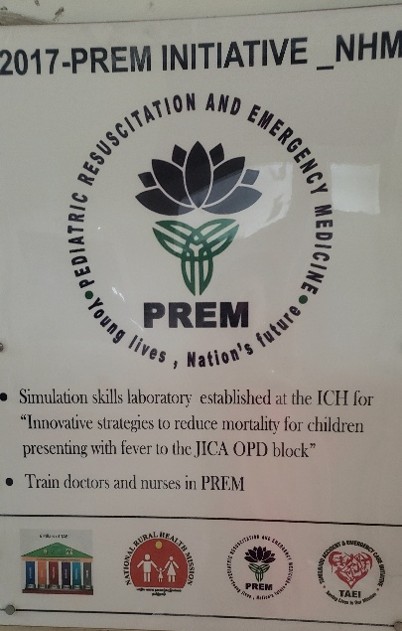
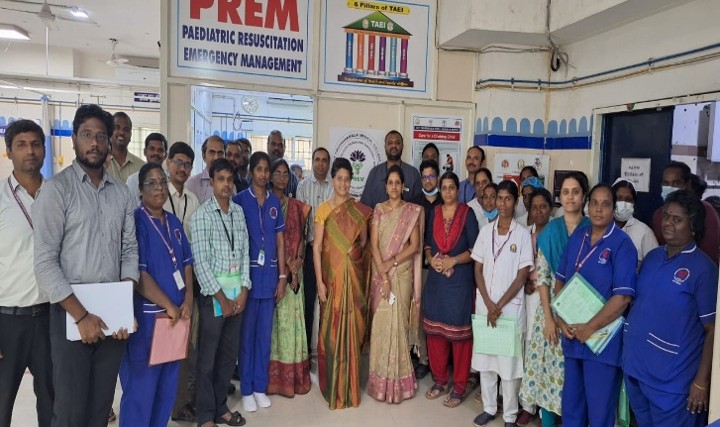
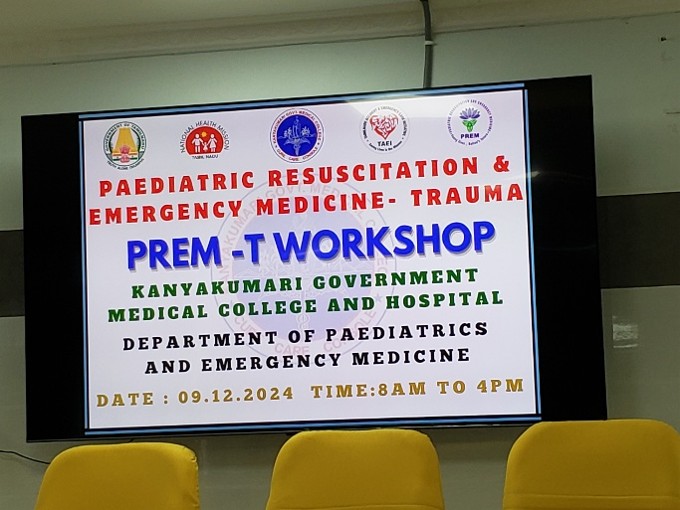
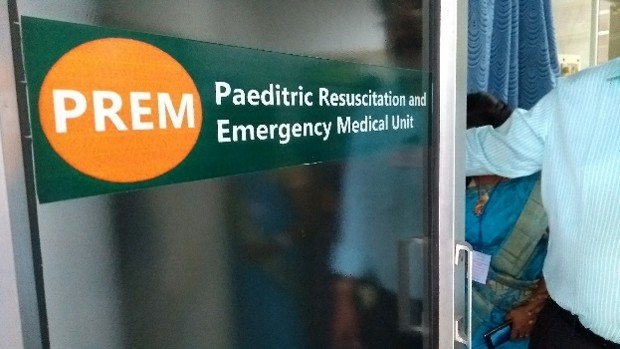
Since 2017, under the Tamil Nadu Accident and Emergency Care Initiative (TAEI) Tamil Nadu has been the first state in India to pioneer a comprehensive policy for strengthening emergency care across all major critical illnesses. Under the auspices of the TAEI and NHM-TN, the state introduced Paediatric Resuscitation and Emergency Medicine (PREM) to strengthen paediatric emergency care across government hospitals.
Background and Need
Prior to 2015, (before the introduction of PREM), critically ill and injured children reaching taluk, sub-district and district headquarters hospitals in Tamil Nadu were being referred to medical colleges without receiving timely and appropriate emergency care. Lack of training, structured resuscitation protocols, infrastructure, and age-appropriate equipment were some of the reasons for the “scoop and run policy.” Additionally, doctors staffing the OPD lacked the ability to recognize early signs of hypoxia and shock in children presenting with apparently “minor” symptoms.
Consequently, critically ill children were transferred between facilities without receiving essential emergency stabilization. Delays in care during the first critical minutes often led to avoidable neurological damage, or death, contributing to preventable post-neonatal under-five mortality.
Recognizing these gaps, NHM-TN initiated the PREM program in 2017 as an innovative strategy to provide high quality, low-cost paediatric emergency care in resource-limited rural district hospitals.
Concept of PREM
PREM means “love” in all Indian languages. It is a structured system designed to help frontline healthcare providers rapidly assess and manage critically ill children. The program focuses on speed, accuracy, and teamwork during the first few minutes of emergency care.
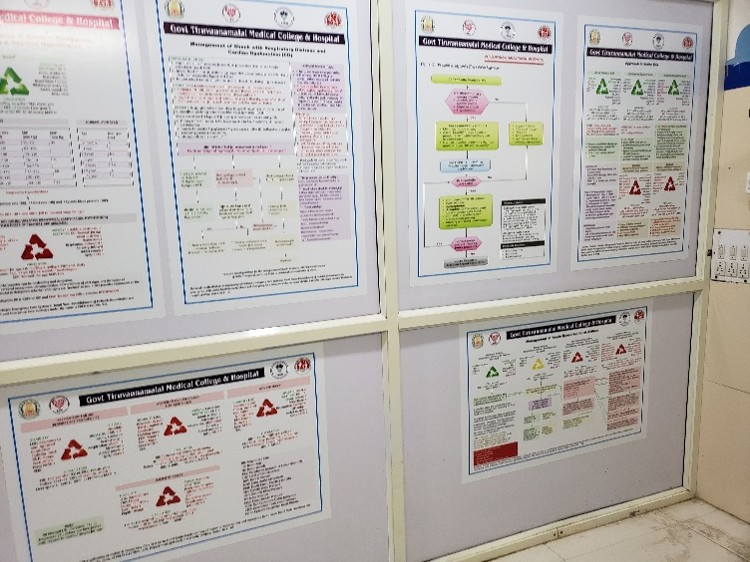
At the heart of PREM is a physiology-status -based algorithmic approach that enables junior doctors and nurses to make correct clinical decisions quickly and consistently. The system uses a unique one-minute modified rapid cardiopulmonary cerebral assessment guided by the PREM triangle, enabling healthcare providers to recognize early organ dysfunction and initiate life-saving interventions promptly. This approach emphasizes:
-
- Rapid clinical assessment, documentation, interpretation of vital signs and derivation of the physiological status using the PREM triangle.
- Team-based resuscitation
- Repeated cyclical implementation of the PREM process to understand the changing hemodynamic response to interventions.
- Minimal dependence on expensive technologies such as blood gas analysis, central lines, ultrasound usage, mechanical ventilation, and other advanced intensive care resources
This makes PREM particularly suitable for district hospitals, taluk hospitals, and other resource-constrained settings.
Milestones in PREM
The journey of PREM in Tamil Nadu began with several key policy decisions and infrastructure investments.
-
- 2017: The State Planning Commission under the Tamil Nadu Innovative Initiative Fund sanctioned 4.86 crores to establish a
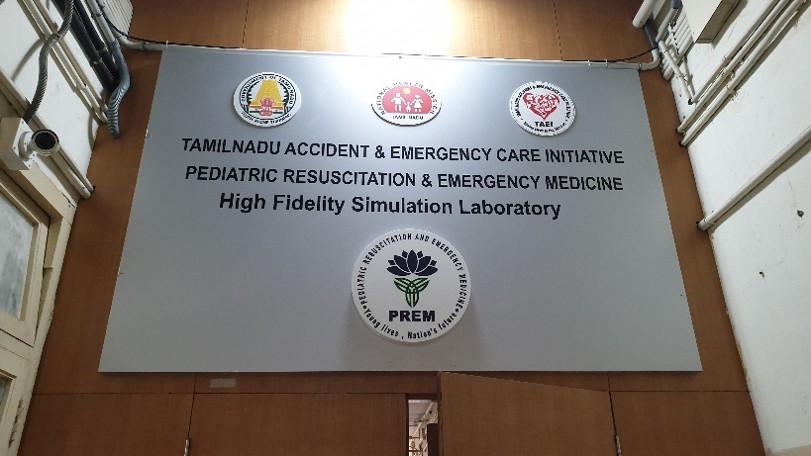
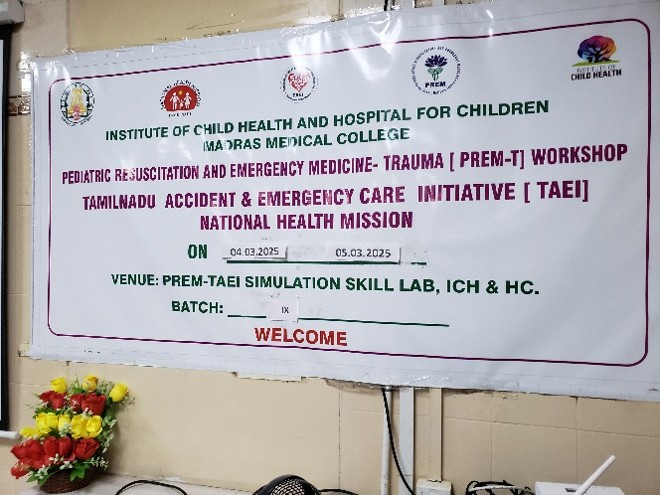
high-fidelity PREM simulation laboratory at the Institute of Child Health (ICH), Madras Medical College to train under graduates and CRRIs in PREM. This laboratory also became the state training hub for the PREM program.
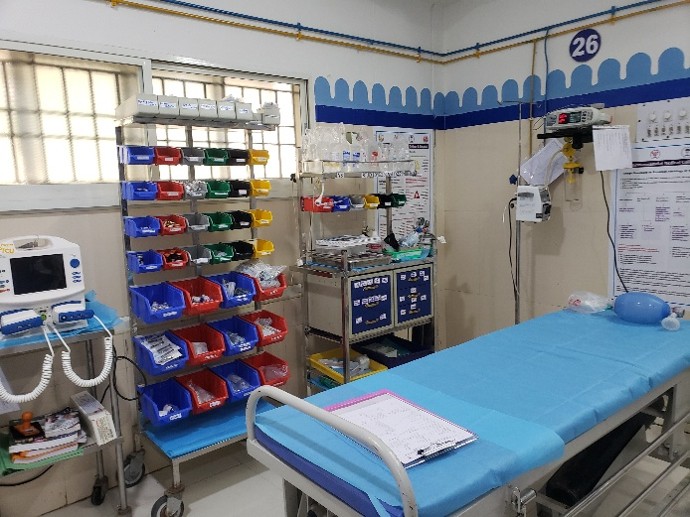
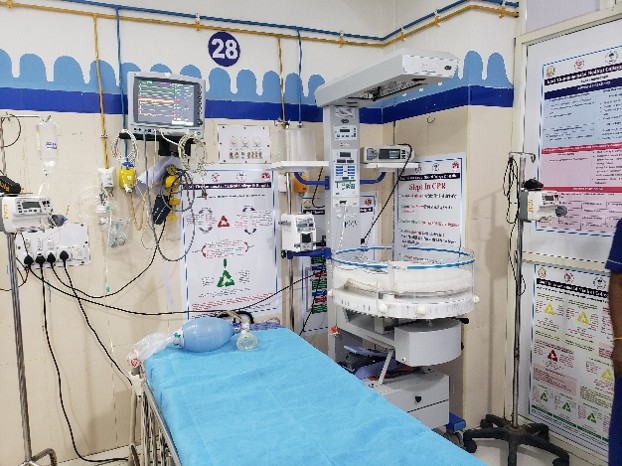
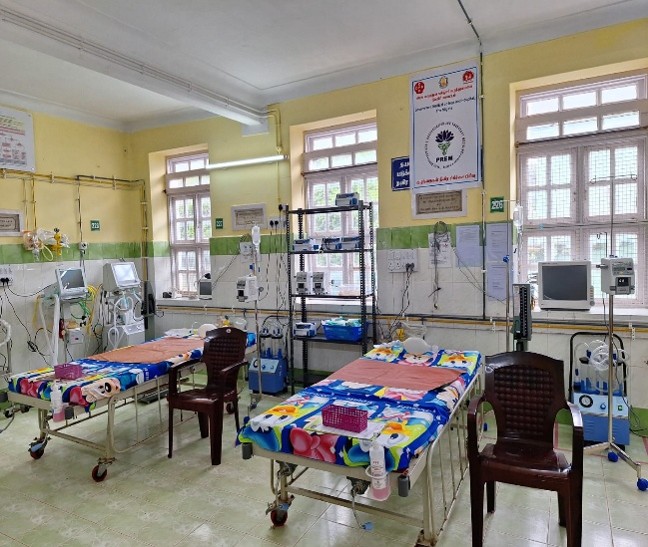
- 2017: As per GO 199, 7 crores were sanctioned to establish PREM units in 28 District Headquarters Hospitals across the state. Under this initiative the DHQ and TK hospitals were strengthened with PREM SOP for infrastructure, equipment, consumables, and medications. Additionally, four nurses were recruited per PREM unit.
- 2019: As per PREM GO 539, the government strengthened the initiative through further policy support, integrating PREM into the broader TAEI emergency care framework. Standardized PREM case records and protocols were introduced to guide clinical decision-making and ensure uniform documentation during resuscitation.
- 2021: Post-covid, additional TK, SDH and Medical College Hospitals were included under the PREM initiative, widening the initiative to 89 PREM units.
- 2021: Post-covid, additional TK, SDH and Medical College Hospitals were included under the PREM initiative, widening the initiative to 89 PREM units.
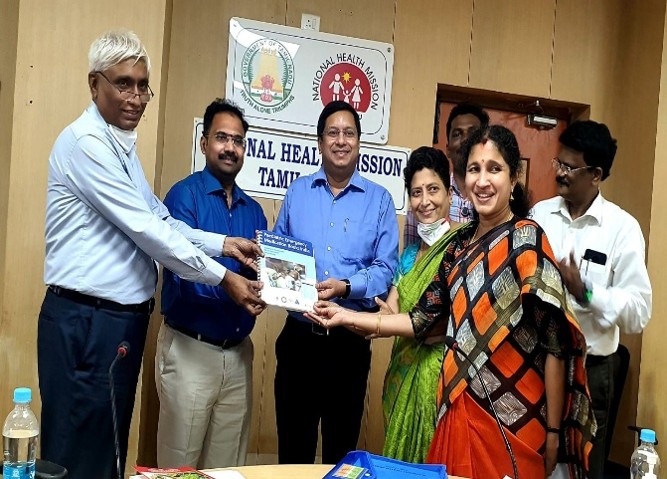
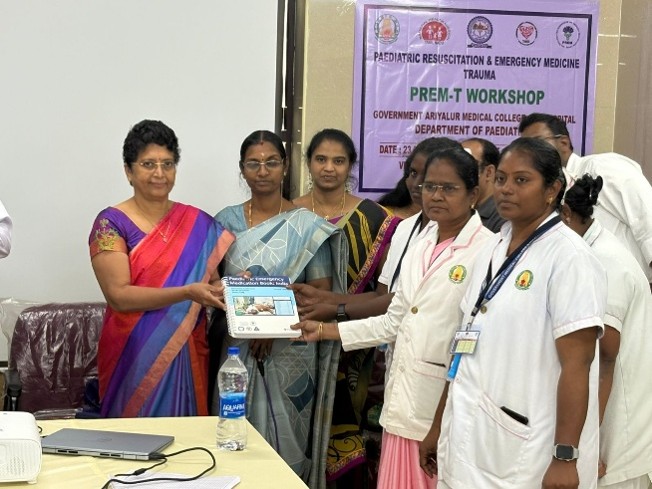
- 2022: Paediatric Emergency Medication Book-India was released in collaboration with the Monash University- Australia. Endorsed by GO 539, this book is an innovative strategy to reduce medication errors and foster confidence while preparing critical drugs during resuscitation. The second edition was released in 2025 September by PD TNHSP.
- 2023: The book Paediatric Resuscitation and Emergency Medicine for Low- and Middle-Income Countries was published in collaboration with faculties from Monash University Australia, Cape town University South Africa, and KKH Singapore. This has since been used as SOP for the PREM initiative.
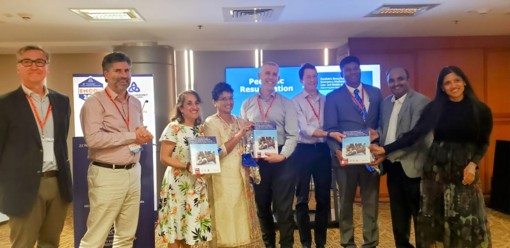
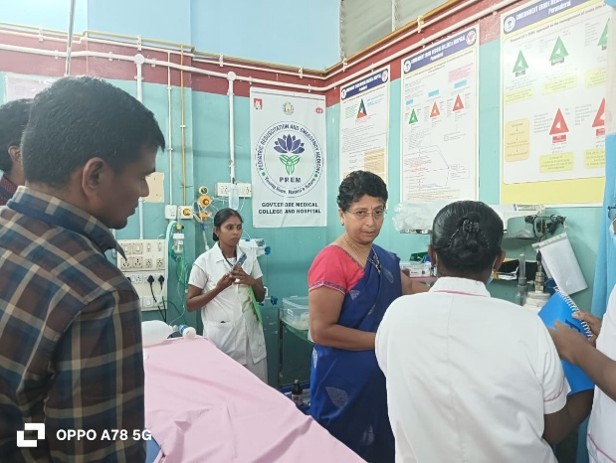
- 2021-till date: At the PREM Simulation Laboratory at ICH, 569 doctors and 1315 nurses have been trained in PREM protocol-based resuscitation.
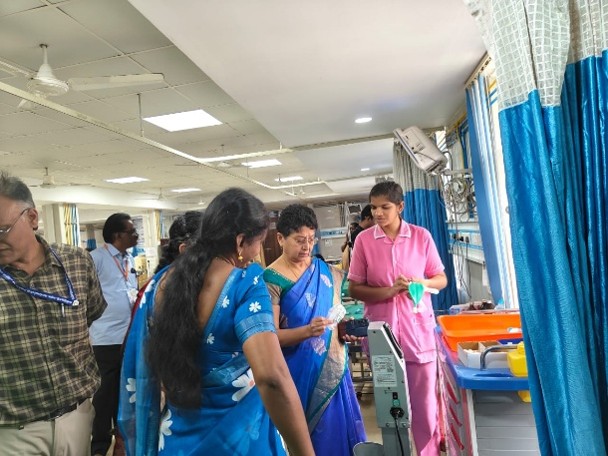
- 2024 till date: Via the district training program at the Medical College hospitals 480 paediatric and TAEI faculties and 480 nurses have received PREM training. During these training programs, mentoring visits were conducted at the PREM units for identification and resolution of gaps.
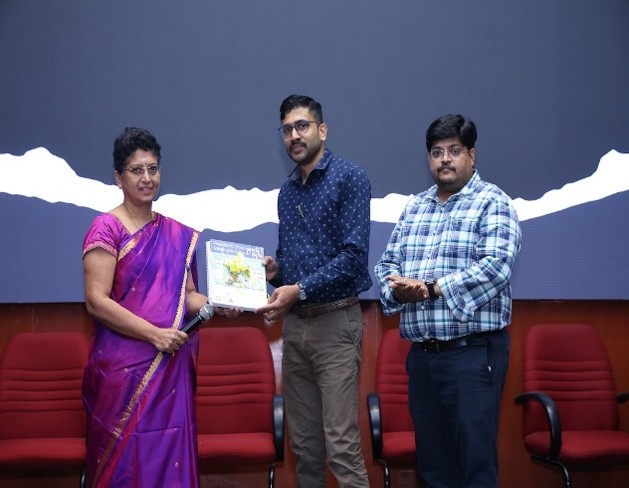
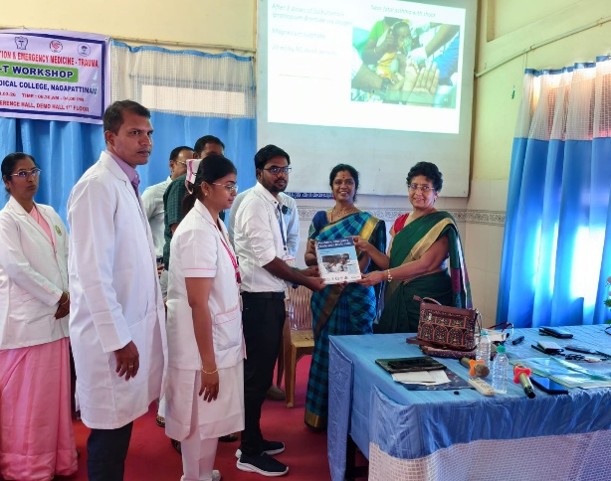
- 2024-till date: Under CSR sponsorship from Fortune Pandiyan Hotel Madurai, the PEM – Medication Book India and PREM for Low- and Middle-Income Countries has been donated during the mentoring/ PREM training at 33 medical colleges hospitals.
- 2022 till date: Every year 750 under graduates from Madras Medical College are receiving structured training in PREM as part of their skill training.
Capacity Building and Training
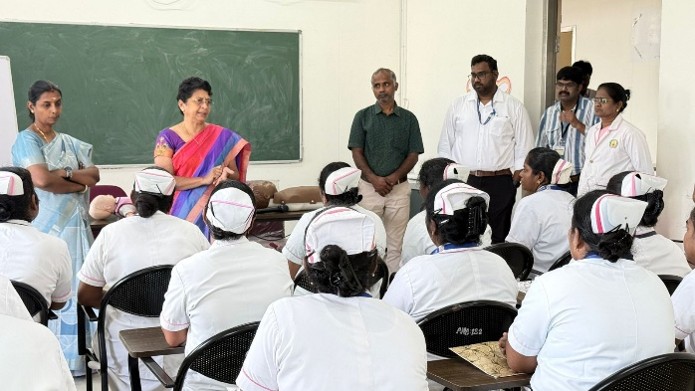
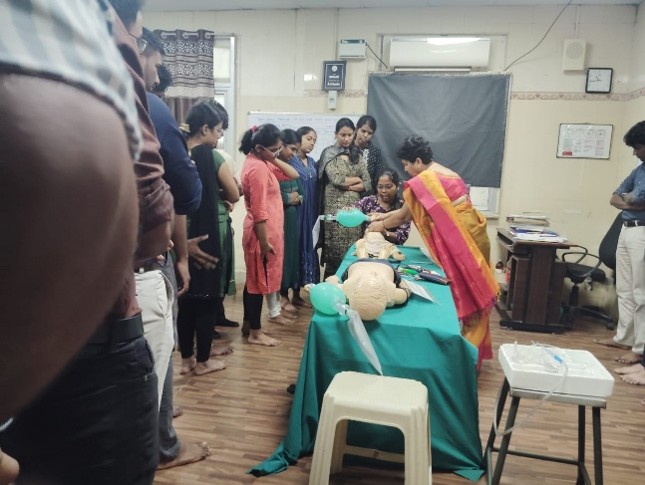
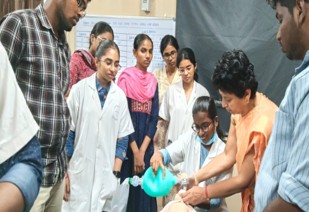
The cornerstone of the PREM initiative has been capacity building of frontline healthcare providers. Through the PREM simulation laboratory at the Institute of Child Health, two-day PREM workshops are regularly conducted to train doctors and nurses in paediatric triage, resuscitation, trauma management, and emergency decision-making. Till date, more than 1569 doctors and 1315 nurses working in government hospitals have received hands-on training through these workshops. The training focuses on real-life emergency scenarios using simulation techniques, allowing healthcare workers to build confidence and improve teamwork during critical situations.
Monitoring and Quality Assurance
The PREM program also incorporates a strong monitoring and evaluation system. Hospitals with PREM units submit daily performance data through TAEai registry 2.0 an online reporting platform, while bimonthly virtual review of DAMA, death line lists and PREM process defaulters are reviewed to analyse for improved outcomes.
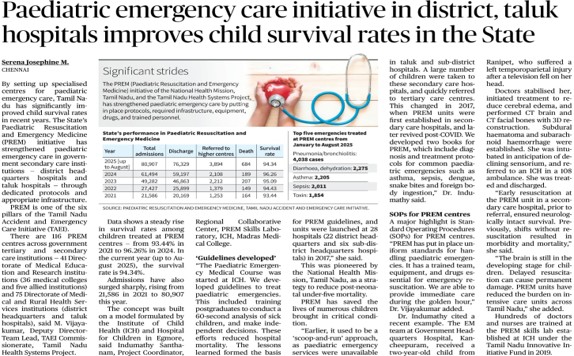
Currently more than 80,000 paediatric emergencies are being reported from PREM units.
The program has contributed to:
-
- Improved management of critically ill children at district and sub-district hospitals
- Increased admissions and stabilization at peripheral hospitals
- Reduction in unnecessary inter-facility transfers to tertiary hospitals.
- Improved capacity of frontline doctors and nurses in emergency decision-making
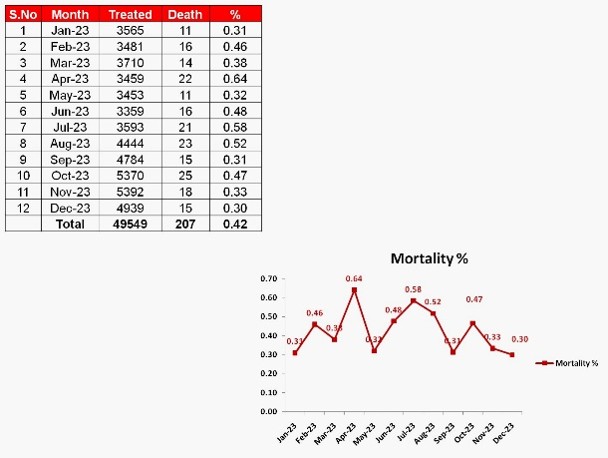
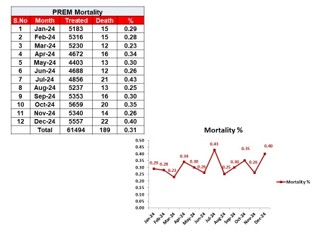
- By ensuring rapid recognition and treatment of conditions such as septic shock, dengue shock, severe asthma, trauma, poisoning, and envenomation, PREM has played a vital role in reducing preventable mortality among children.
Innovations
Several innovations distinguish PREM from traditional emergency care training programs.
-
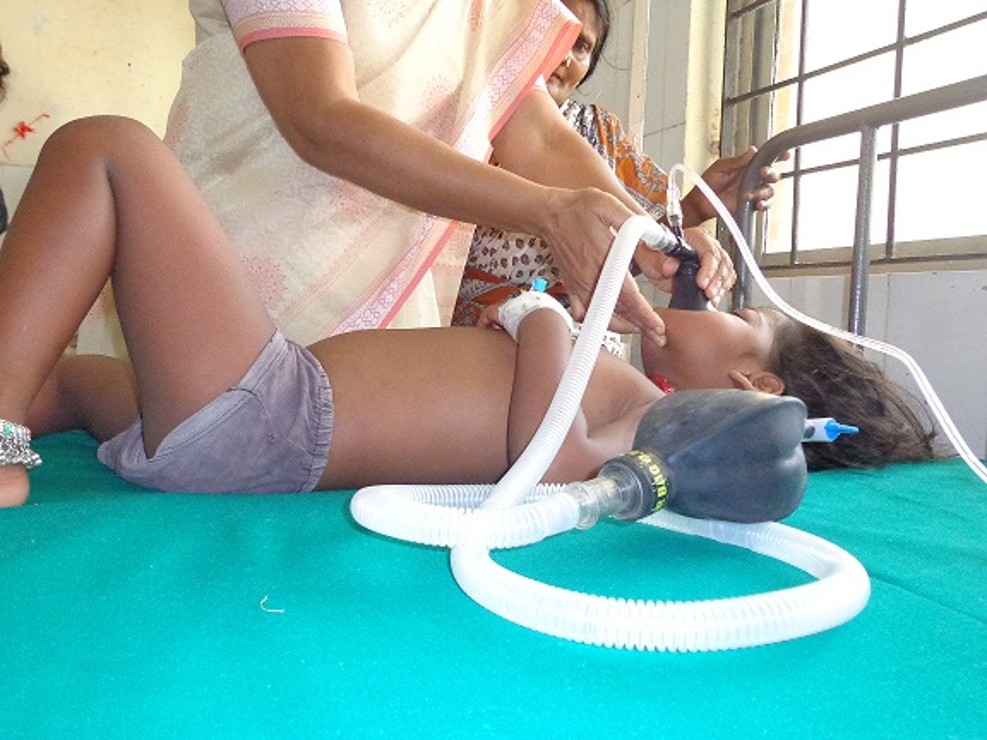
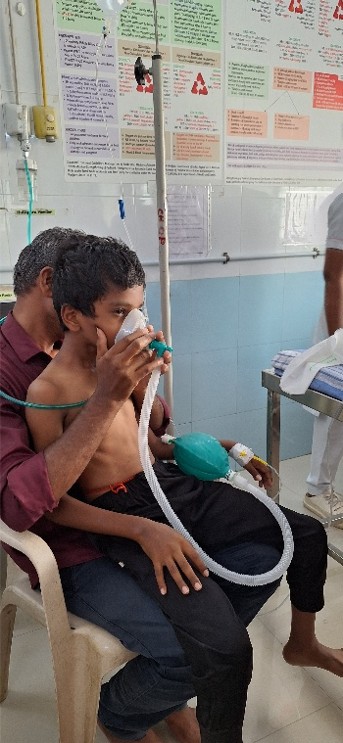
- The program emphasizes low-cost, context-appropriate clinical strategies suitable for resource-limited settings. For example, the use of the Jackson-Rees circuit for oxygen delivery can reduce the need for early intubation and mechanical ventilation.
- Another innovation is the pre-formatted PREM case record, which guides clinicians step-by-step during resuscitation and helps avoid critical errors that could lead to cardiac arrest.
- Unlike conventional programs such as PALS or APLS, which rely heavily on advanced intensive care infrastructure, PREM focuses on clinical judgment, structured protocols, and team communication, making it highly adaptable for government hospital settings in India.
Challenges
Despite its successes, the PREM initiative has faced several challenges during implementation.
These include delays in care when critically ill children are shifted from emergency areas to paediatric wards or intensive care units located in other parts of hospitals. In addition, trained PREM nurses have sometimes been transferred to other departments, reducing the availability of skilled personnel within PREM units.
There have also been challenges in ensuring universal adoption of PREM case sheets and protocols across all hospitals.
However, step by step with continuous monitoring, the PREM initiative has overcome challenges and shows strong potential for further expansion as it has a sound patient tracking system through the TAEI registry 2.0, a digital platform which incorporates prem module for daily data capture and monitoring performance.
Efforts are also underway to generate stronger evidence for the effectiveness of the PREM approach and expand the model to other states in India.
Conclusion
The PREM initiative represents an important milestone in Tamil Nadu’s efforts to strengthen paediatric emergency care under the Tamil Nadu Accident and Emergency Care Initiative. By combining innovative clinical protocols, large-scale training, and system-level reforms, the program has empowered frontline healthcare providers to deliver life-saving care during the most critical moments.
Through this initiative, Tamil Nadu has demonstrated how context-appropriate, low-cost innovations can transform emergency healthcare delivery and significantly improve survival outcomes for critically ill children.