Child Health Programme
Rashtriya Bal Swasthya Karyakram (RBSK)
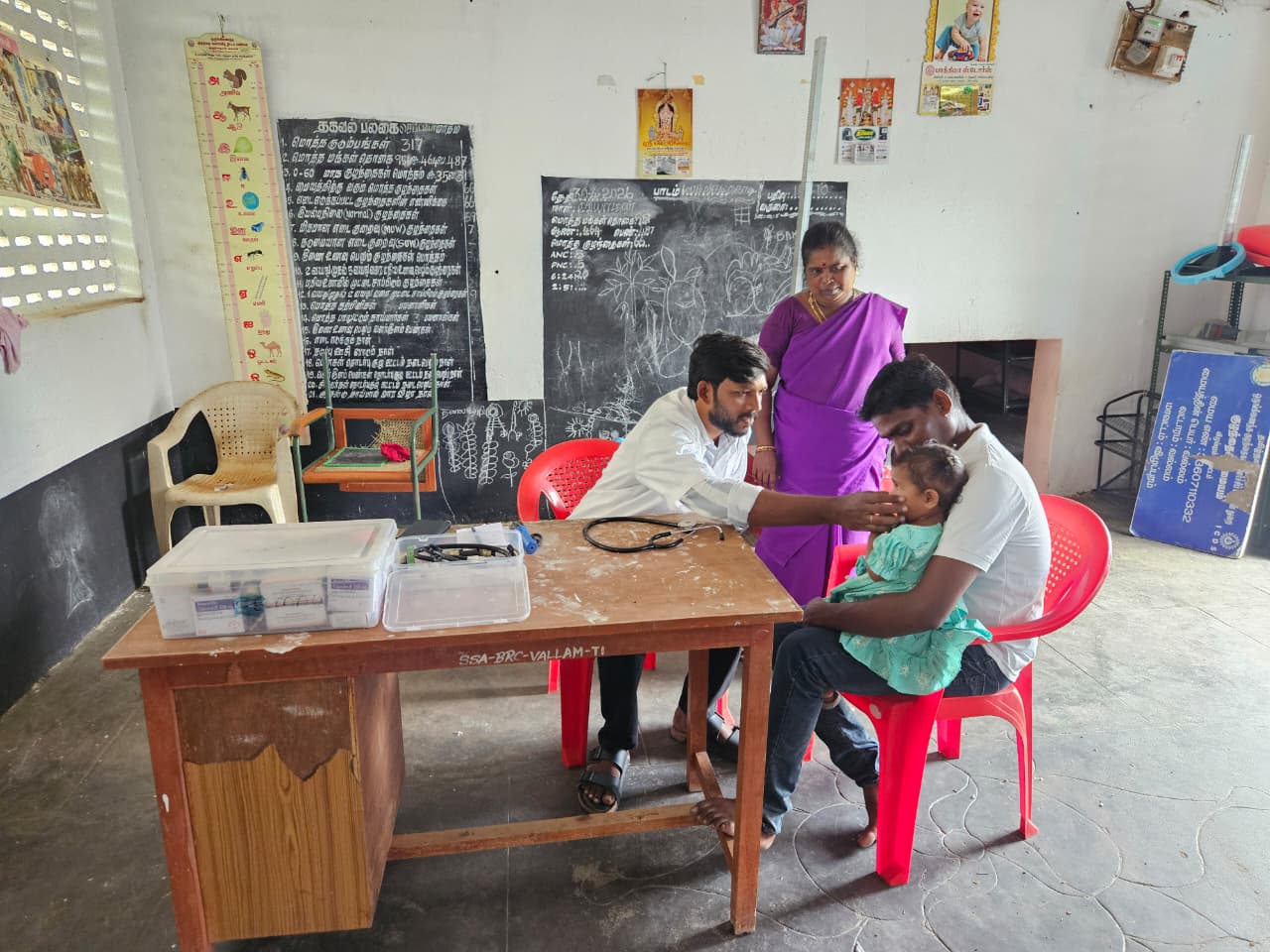
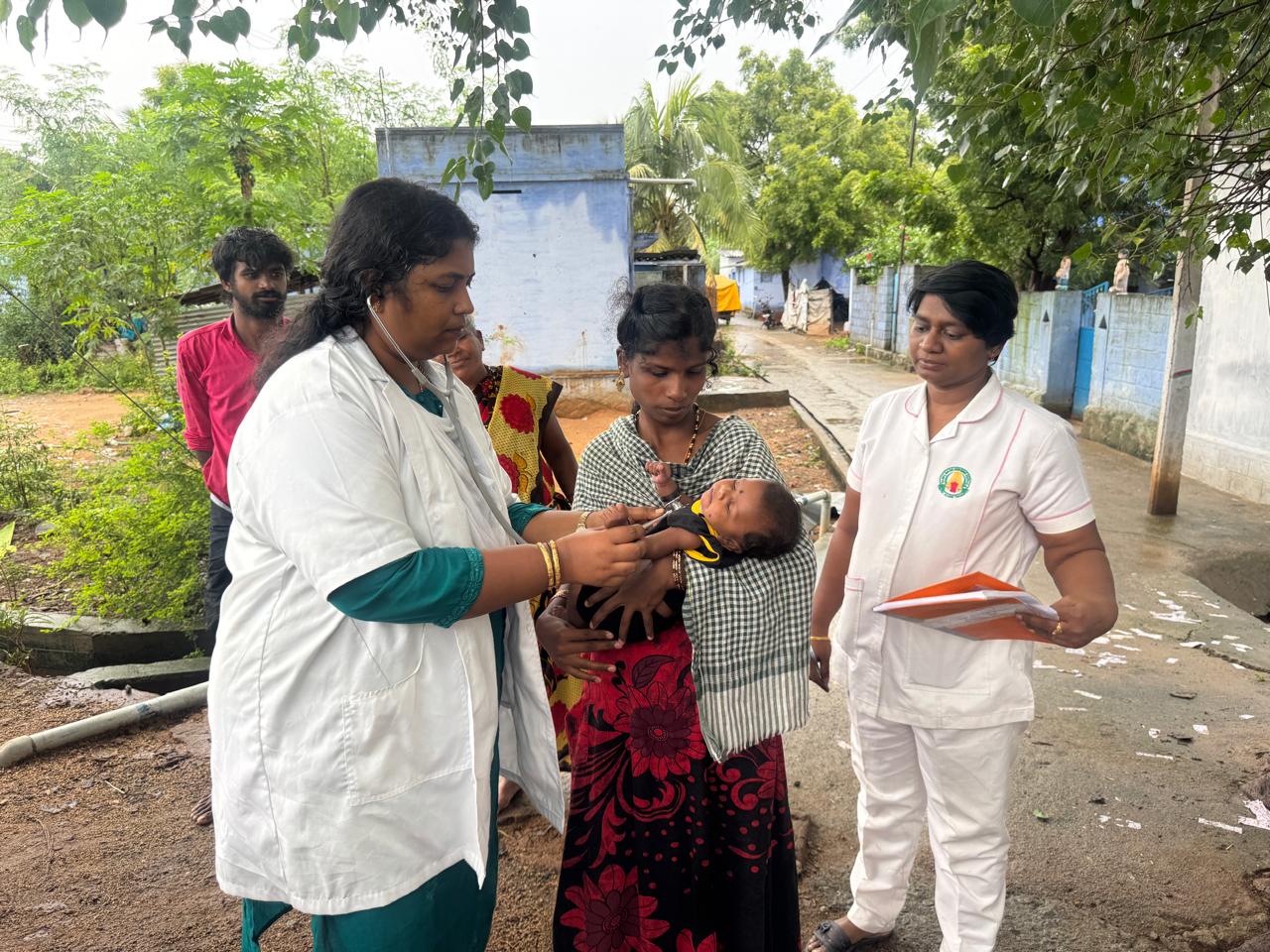
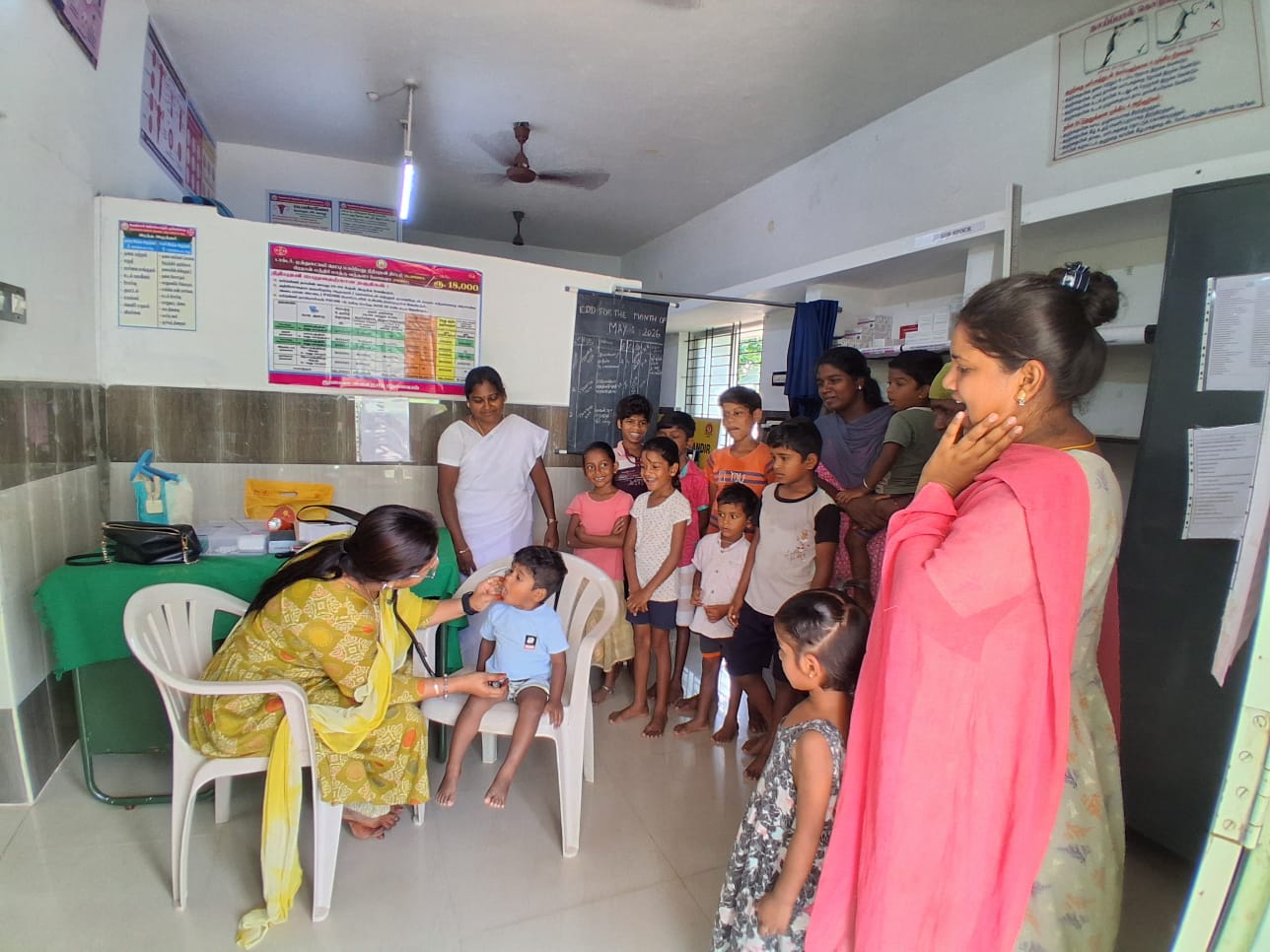
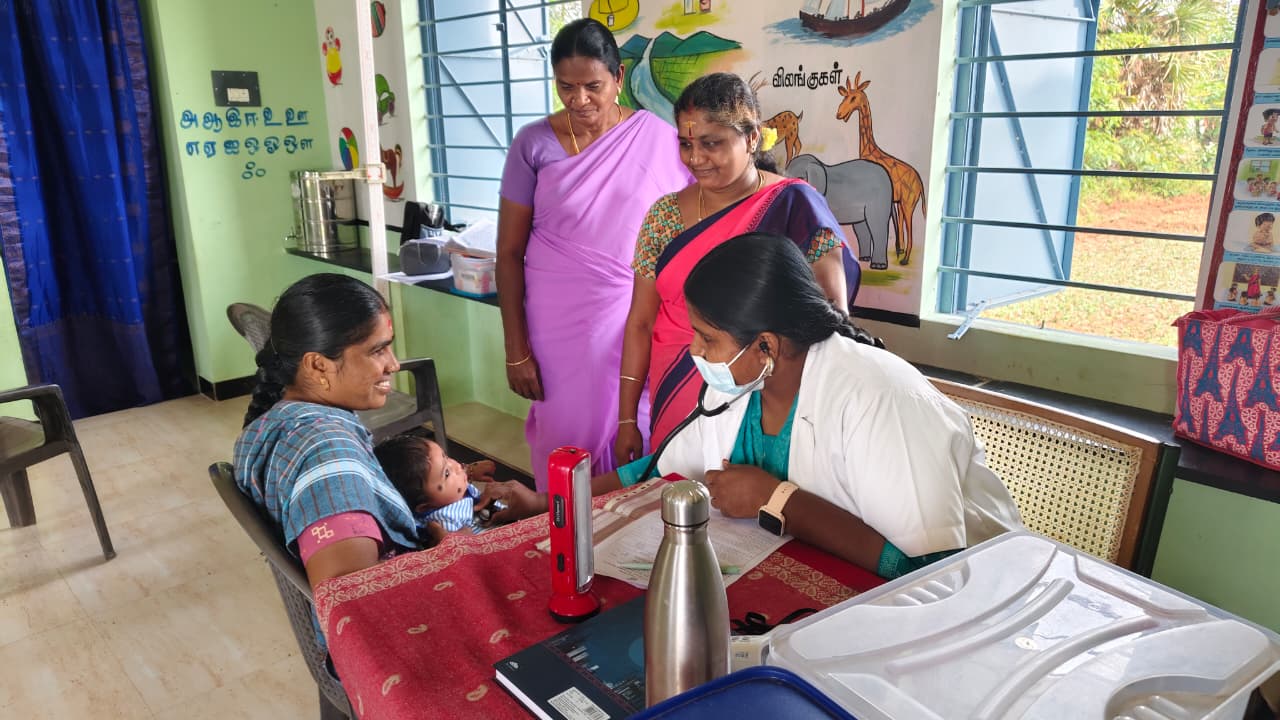
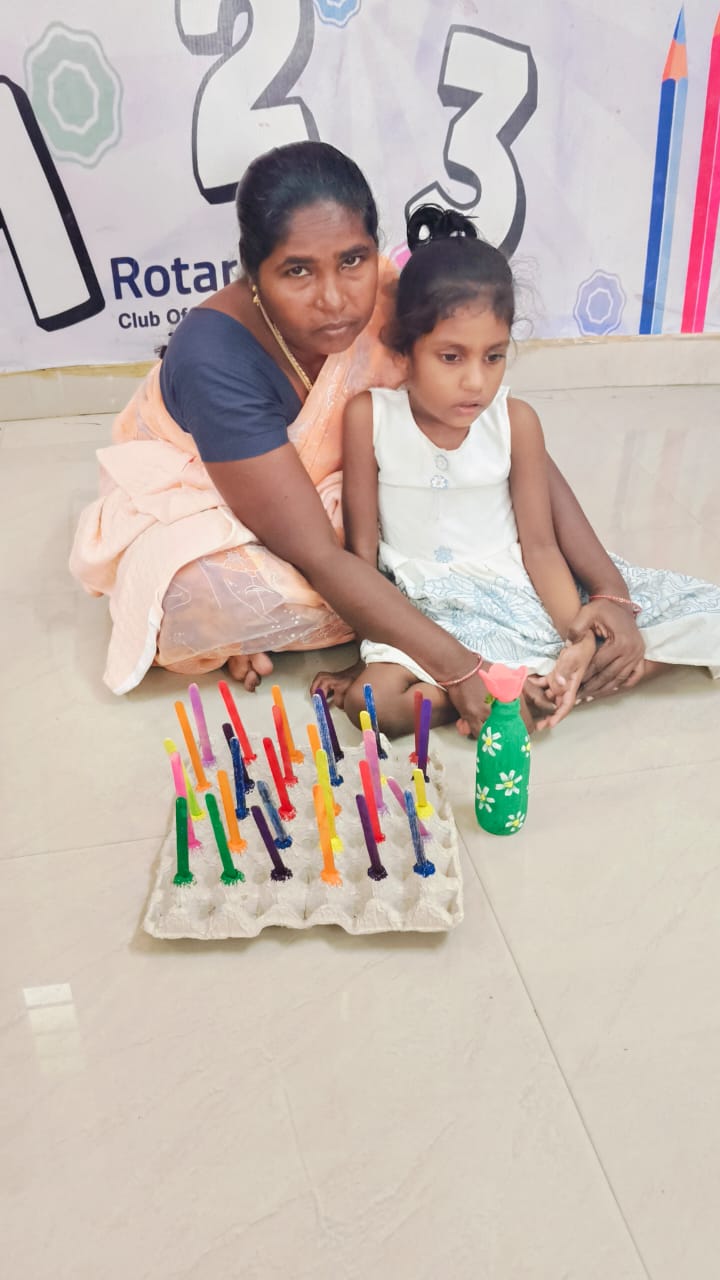
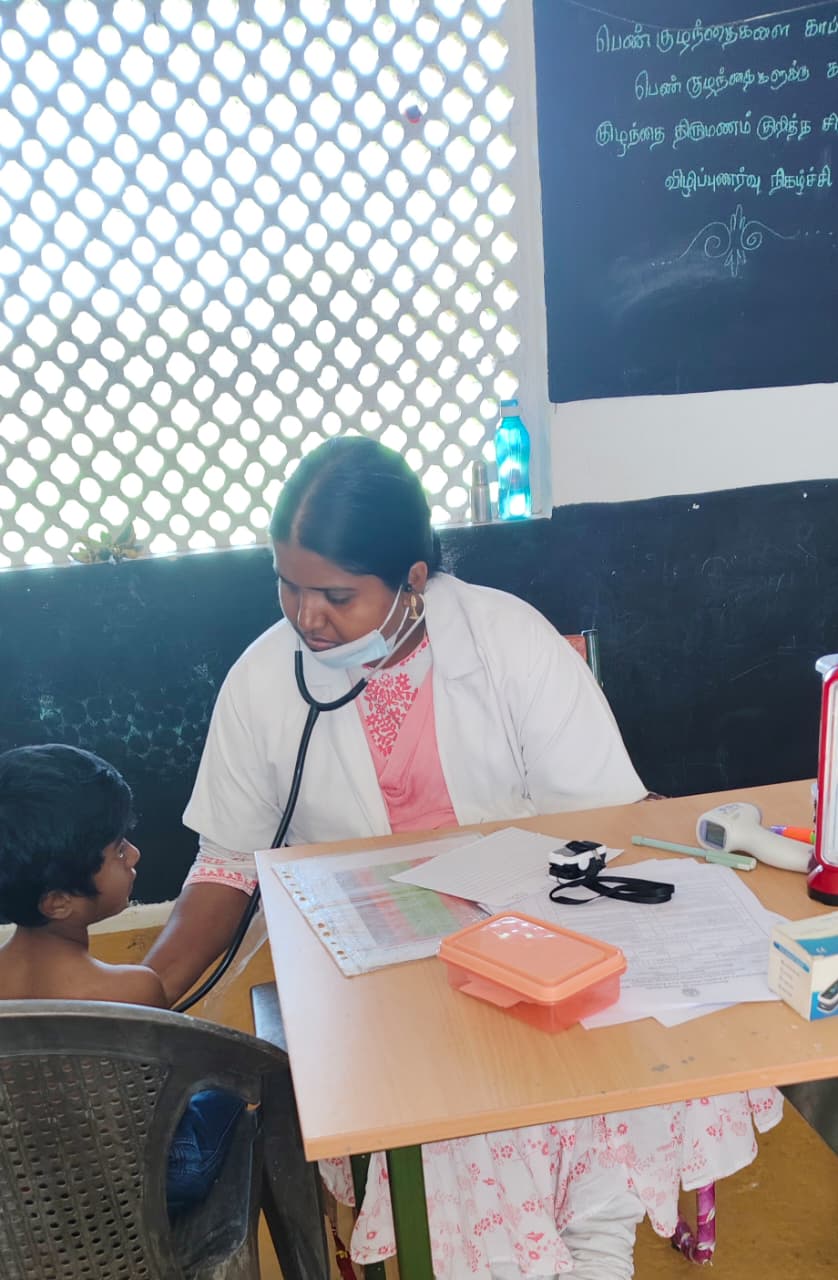
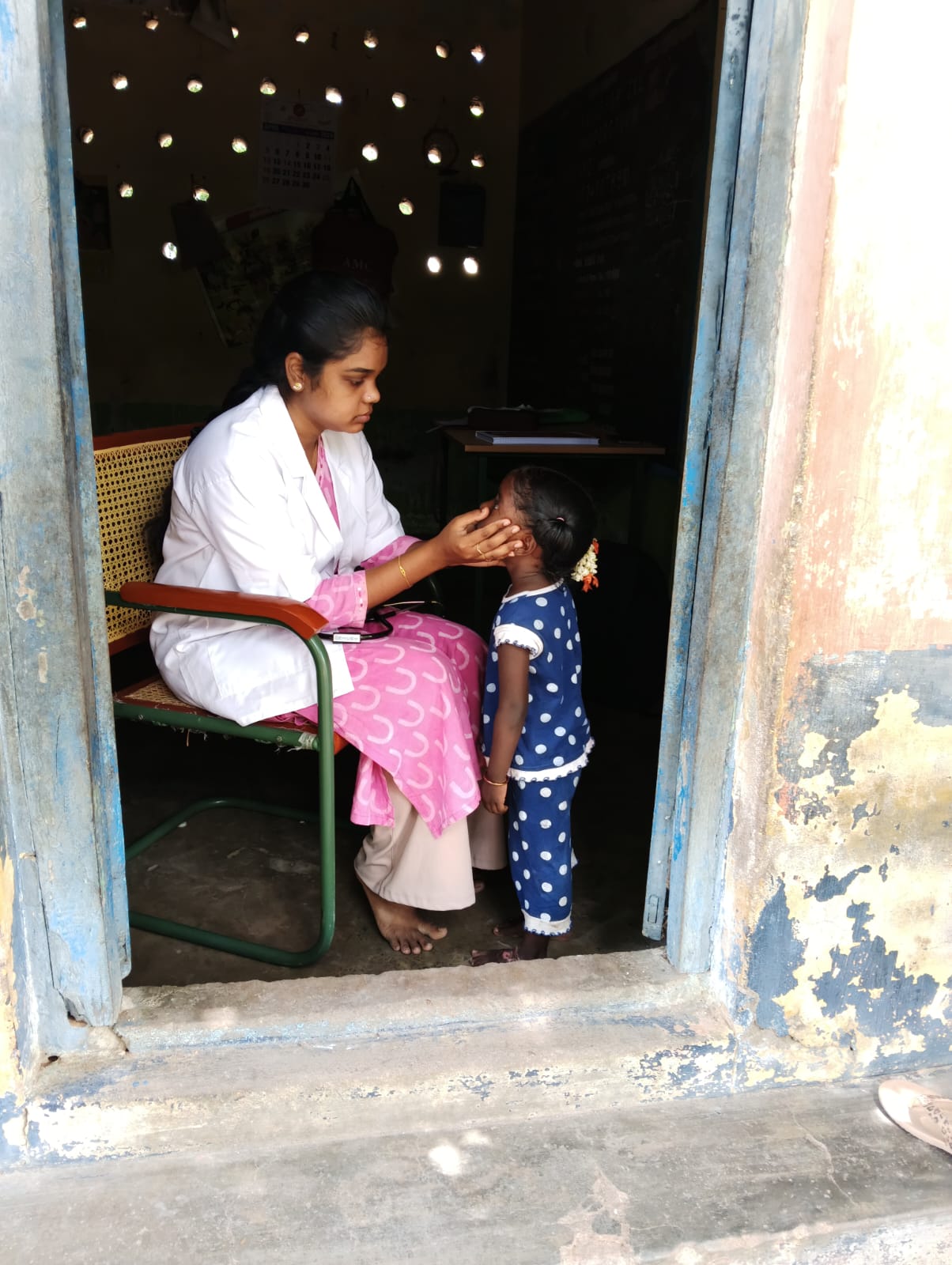
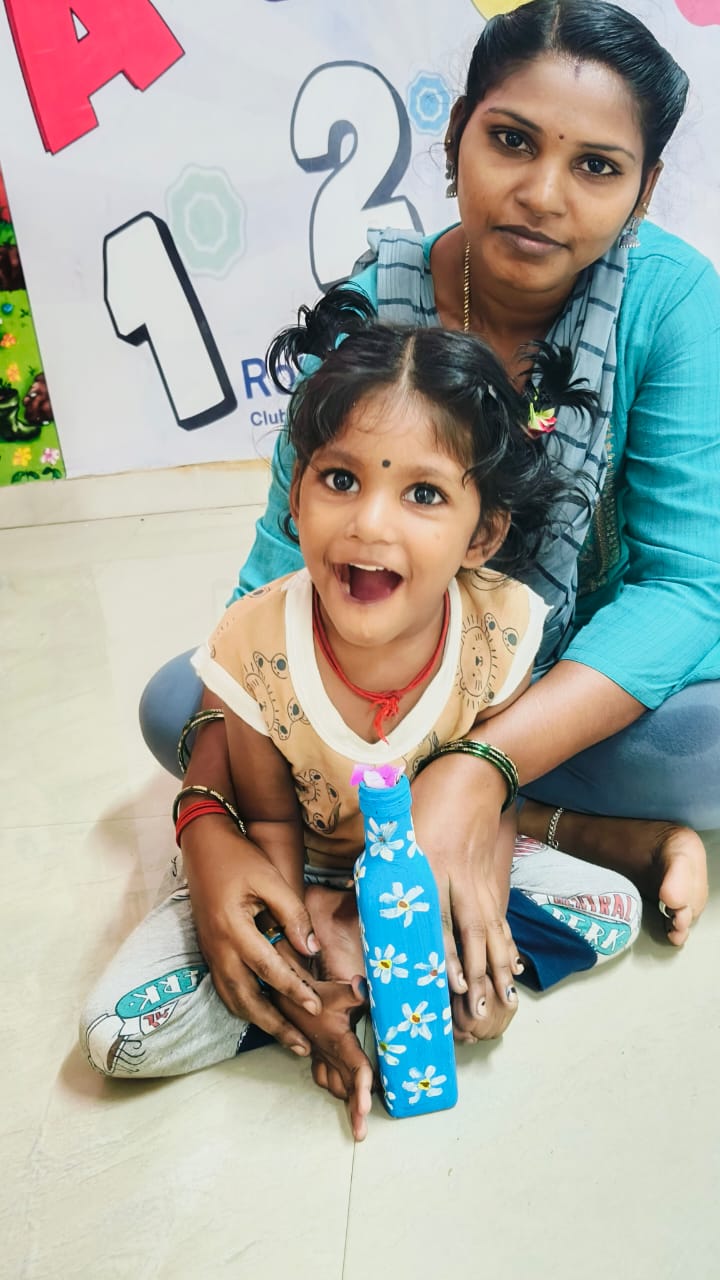
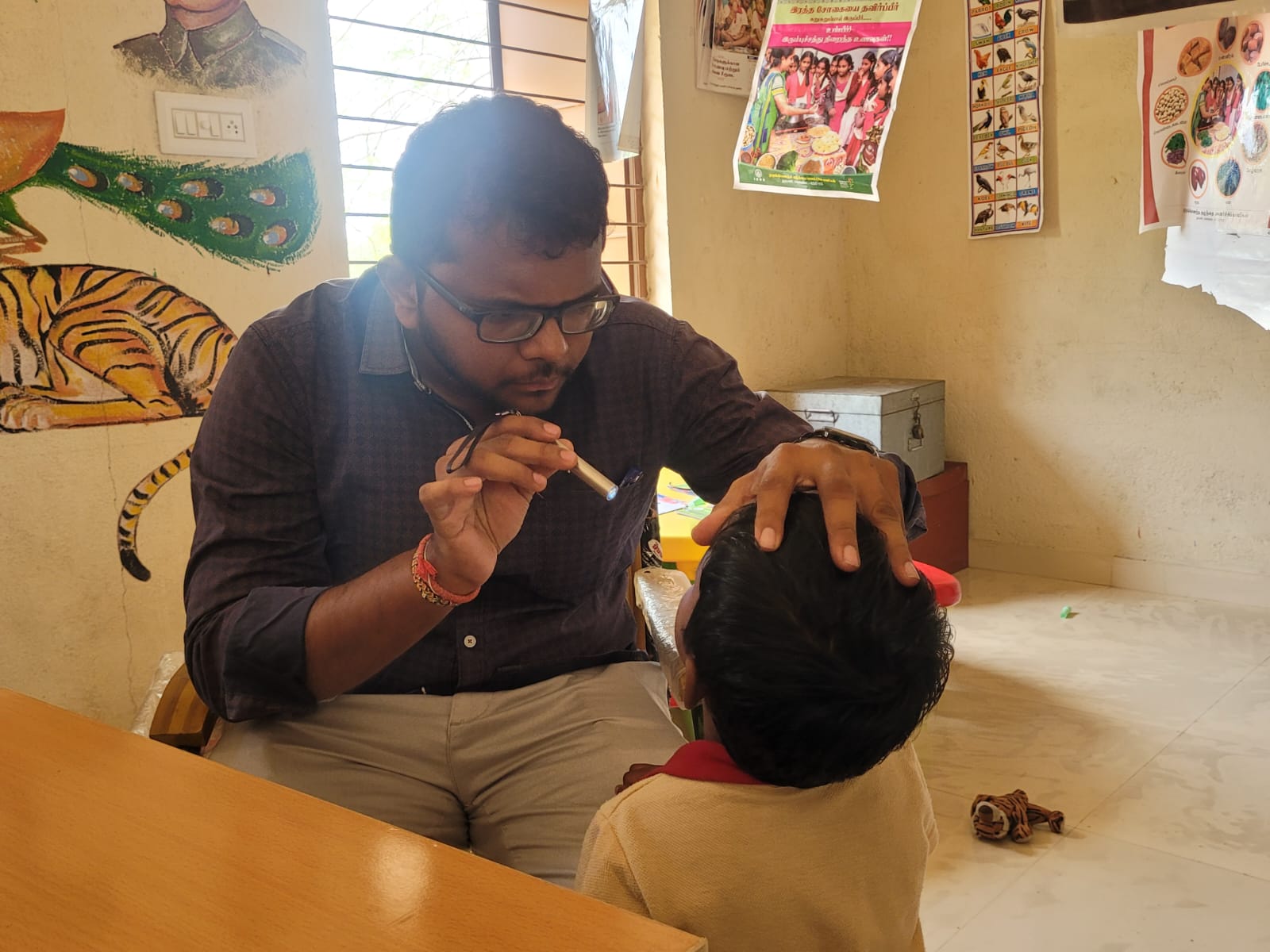
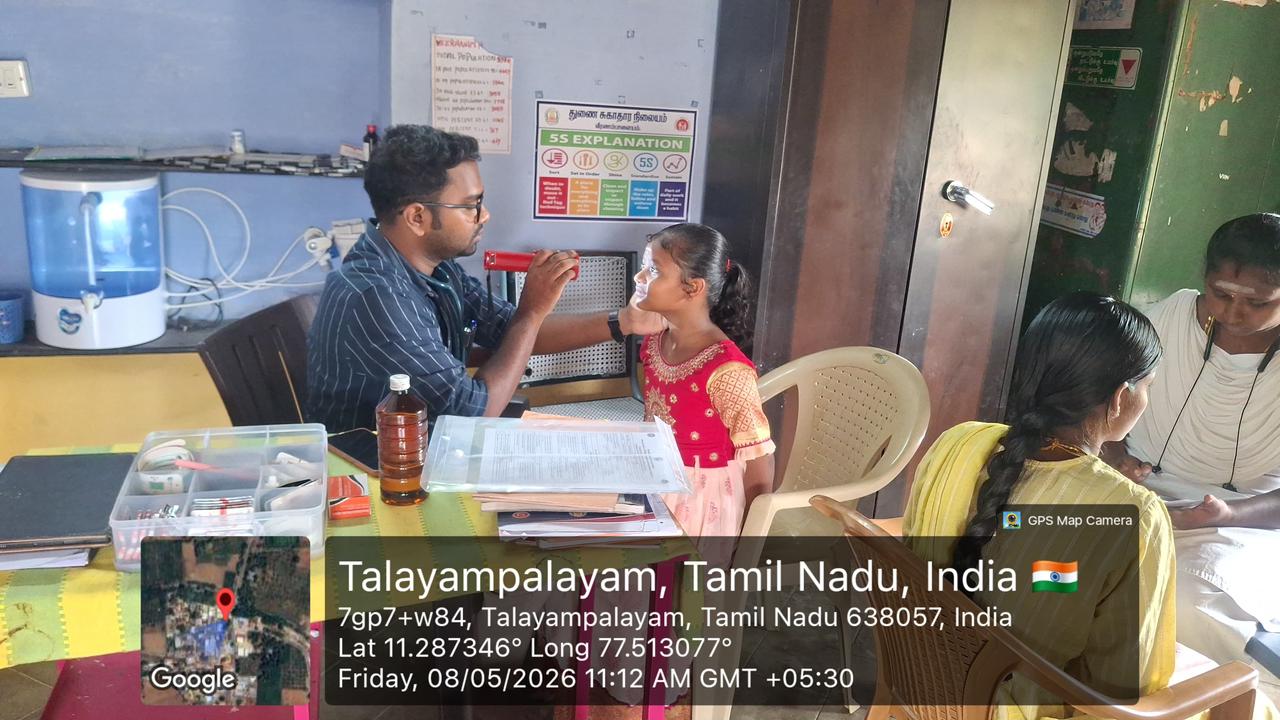
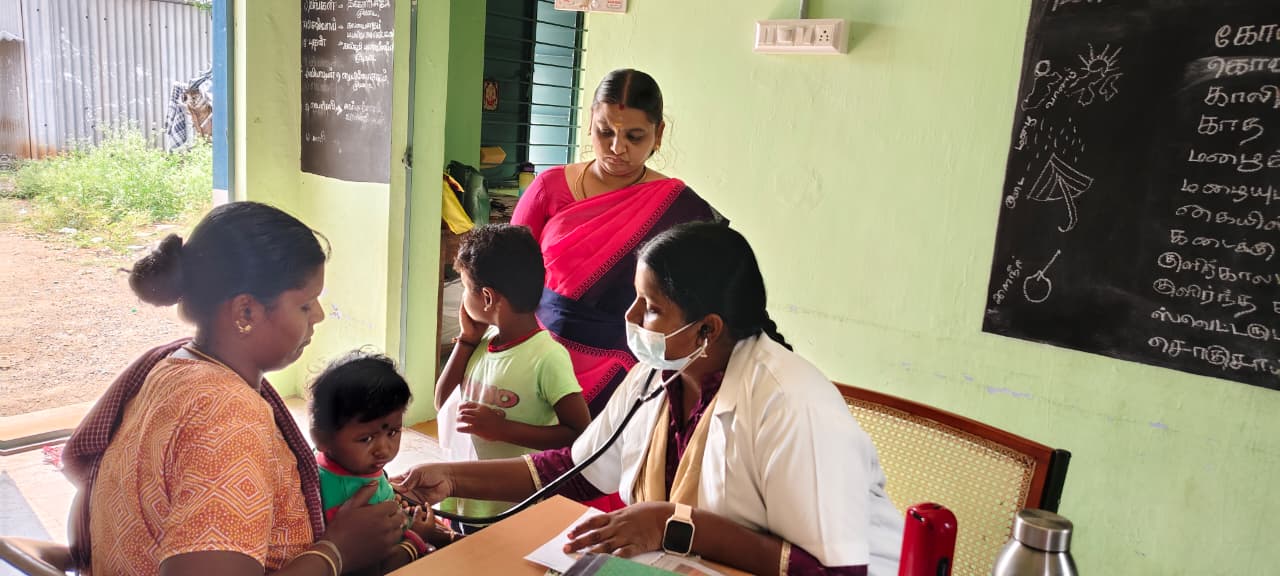
Rashtriya Bal Swasthya Karyakram (RBSK) focuses on improving the quality of life and survival outcomes of children through early identification and management of health conditions. The programme addresses 30 health conditions grouped under the 4Ds – Defects at Birth, Diseases, Deficiencies and Developmental Delays including Disabilities for children from birth to 18 years of age.30
Health Conditions Covered Under RBSK
Focus Areas – The 4Ds
Defects at Birth
Early detection of congenital anomalies and birth defects.Diseases
Screening for childhood diseases requiring timely intervention.Deficiencies
Identification and management of nutritional deficiencies.Developmental Delays & Disabilities
Early detection and intervention for developmental challenges.Programme Coverage
808
Total RBSK Teams
770
Rural Mobile Teams
16
Greater Chennai Corporation Teams
22
Other Urban Area Teams
Programme Components
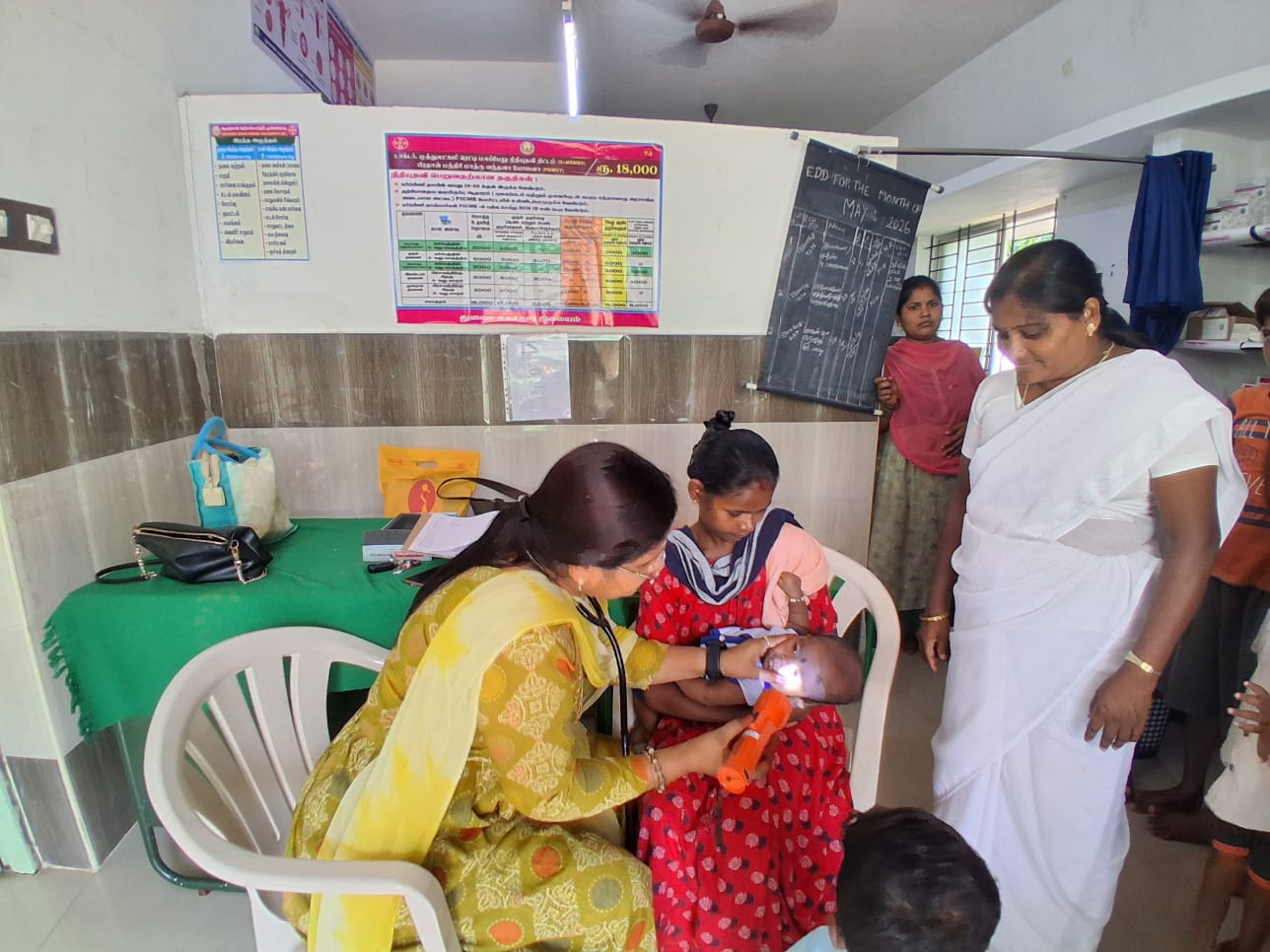
Facility Based Newborn Screening (0–48 Hours)
Birth defect screening is conducted at all delivery points by Medical Officers before 48 hours after birth. Children identified with defects are referred for necessary treatment and intervention at zero cost to the family.Community Based Newborn Screening (0–6 Weeks)
Village Health Nurses, Urban Health Nurses and ASHAs conduct screening visits at home under the HBNC package. Mothers and caregivers are mobilized to Anganwadi Centres for further screening by RBSK Mobile Health Teams. PICME data is integrated with ICDS applications to track SNCU discharged and low birth weight babies.Screening of Children (6 Weeks – 6 Years)
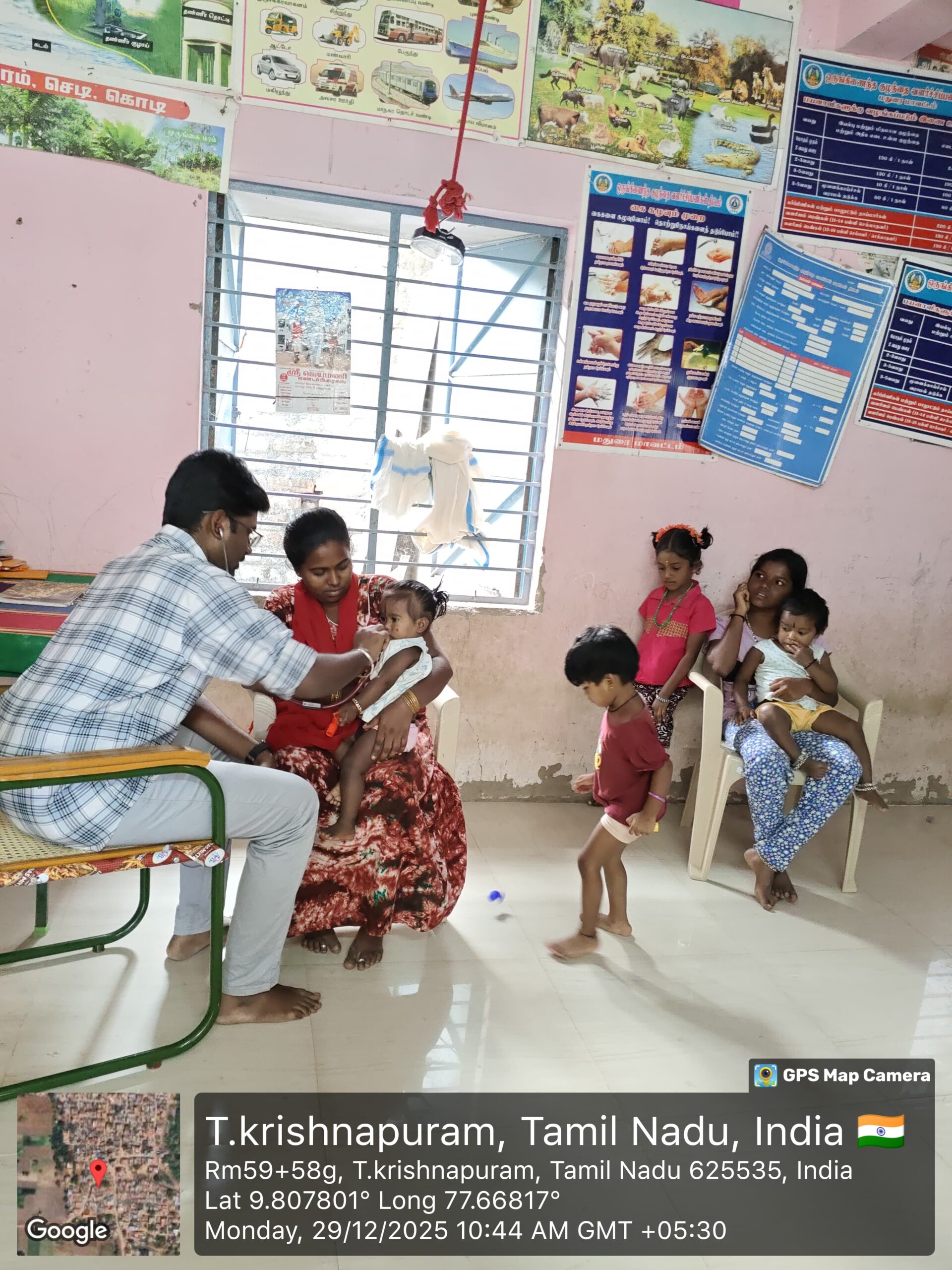
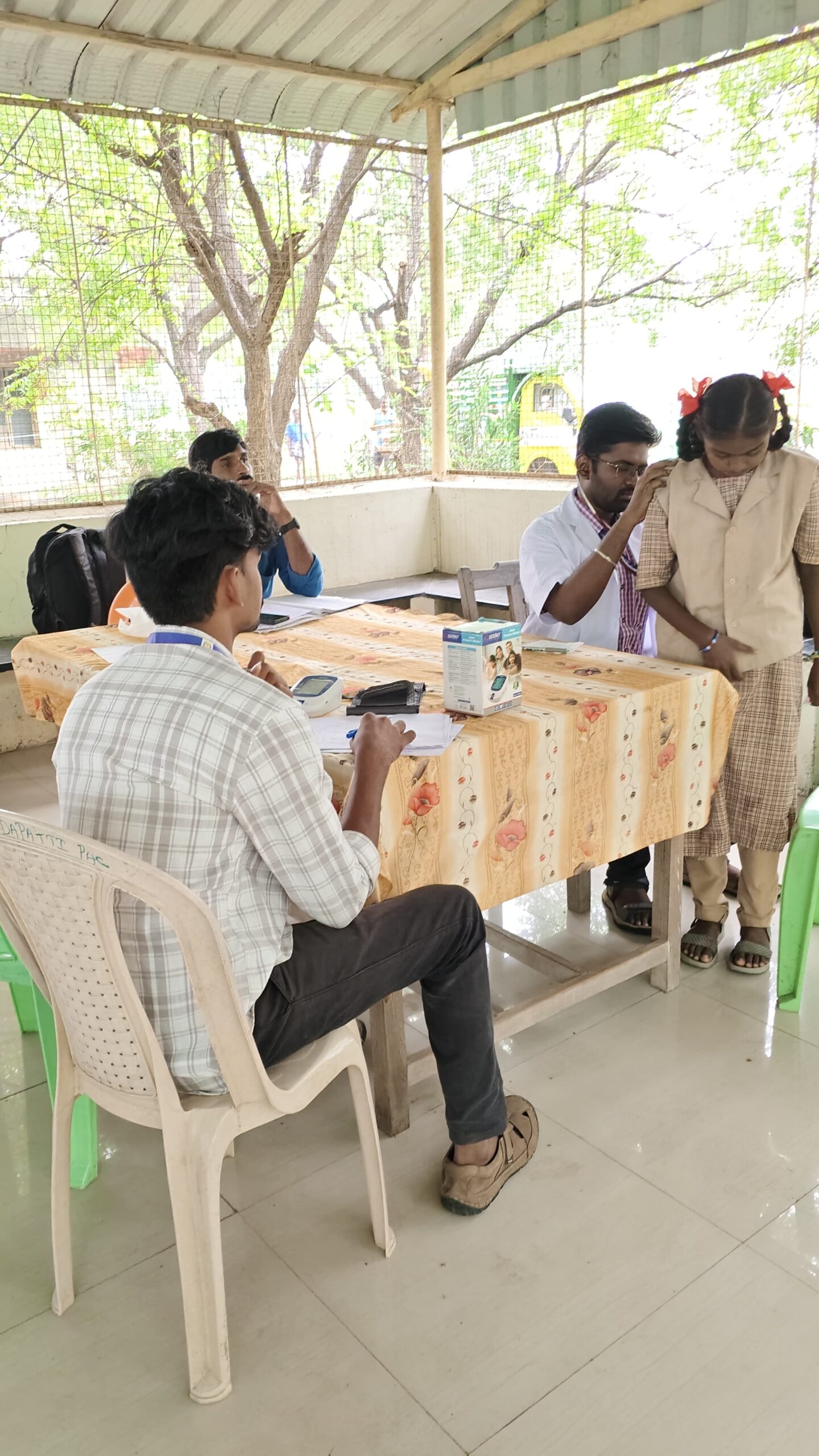
Biannual screening is conducted at Anganwadi Centres. The ICDS database covering approximately 37 lakh children is linked with the NALAM App for tracking children under five years. Screening is conducted using 40 predefined questions and children identified with 4Ds are referred to DEICs.School Health Screening (6 – 18 Years)
- Annual screening in Government and Government-aided schools
- The EMIS database covering approximately 67 lakh children is linked with the NALAM App
- Screening by RBSK Mobile Teams using the NALAM App
- Treatment at camp site
- Referral of identified children to DEICs
Digital Innovations
PICME Integration
Tracking SNCU discharged and low birth weight babies.NALAM App
Digital screening and follow-up for children under RBSK.ICDS Linkage
Integration with Anganwadi child databases.EMIS Portal
School student database covering approximately 67 lakh children.District Early Intervention Centres (DEIC)
39
Total DEIC Centres
×
Total DEIC Centres
| S.No | Name Of The District | Name Of the DEIC |
|---|---|---|
| 1 | Ariyalur | Government Medical College Hospital |
| 2 | Chennai | Government Kilpauk Medical College |
| 3 | Chennai | ICH,Egmore |
| 4 | Chennai | Stanley Medical College |
| 5 | Coimbatore | Government Medical College Hospital |
| 6 | Cuddalore | District Head Quarters Hospital |
| 7 | Dharmapuri | Government Medical College Hospital |
| 8 | Dindigul | Government Medical College Hospital |
| 9 | Erode | District Head Quarters Hospital |
| 10 | Kallakurichi | Government Medical College Hospital |
| 11 | Kancheepuram | District Head Quarters Hospital |
| 12 | Kannyakumari | Government Medical College Hospital |
| 13 | Karur | Government Medical College Hospital |
| 14 | Krishnagiri | Government Medical College Hospital |
| 15 | Krishnagiri | Government Medical College Hospital |
| 16 | Madurai | Government Medical College Hospital |
| 17 | Perambalur | District Head Quarters Hospital |
| 18 | Pudukottai | Government Medical College Hospital |
| 19 | Ramanathapuram | Government Medical College Hospital |
| 20 | Ranipet, Walaja | District Head Quarters Hospital |
| 21 | Salem | Government Medical College Hospital |
| 22 | Sivagangai | Government Medical College Hospital |
| 23 | Tenkasi | District Head Quarters Hospital |
| 24 | Thanjavur | Government Medical College Hospital |
| 25 | The Nilgiris | Government Medical College Hospital |
| 26 | Thiruchirapalli | Government Medical College Hospital |
| 27 | Thirunelveli | Government Medical College Hospital |
| 28 | Thirunelveli | Government Medical College Hospital |
| 29 | Thiruvallur | Government Medical College Hospital |
| 30 | Thiruvannamalai | Government Medical College Hospital |
| 31 | Thiruvarur | Government Medical College Hospital |
| 32 | Thoothukudi | Government Medical College Hospital |
| 33 | Tirupathur | District Head Quarters Hospital |
| 34 | Virudhunagar | Government Medical College Hospital |
| 35 | Chengalpattu | Government Medical College Hospital |
| 36 | Nagapattinam | Government Medical College Hospital |
| 37 | Theni | Government Medical College Hospital |
| 38 | Vellore | Government Medical College Hospital |
| 39 | Villupuram | Government Medical College Hospital |
32
Medical College Hospital Centres
×
32 Medical Colleges
| S.No | Name of the District | Name of the DEIC |
|---|---|---|
| 1 | Ariyalur | Government Medical College Hospital |
| 2 | Chennai | Government Kilpauk Medical College |
| 3 | Chennai | ICH, Egmore |
| 4 | Chennai | Stanley Medical College |
| 5 | Coimbatore | Government Medical College Hospital |
| 6 | Dharmapuri | Government Medical College Hospital |
| 7 | Dindigul | Government Medical College Hospital |
| 8 | Kallakurichi | Government Medical College Hospital |
| 9 | Kanyakumari | Government Medical College Hospital |
| 10 | Karur | Government Medical College Hospital |
| 11 | Krishnagiri | Government Medical College Hospital |
| 12 | Madurai | Government Medical College Hospital |
| 13 | Namakkal | Government Medical College Hospital |
| 14 | Pudukottai | Government Medical College Hospital |
| 15 | Ramanathapuram | Government Medical College Hospital |
| 16 | Salem | Government Medical College Hospital |
| 17 | Sivagangai | Government Medical College Hospital |
| 18 | Thanjavur | Government Medical College Hospital |
| 19 | The Nilgiris | Government Medical College Hospital |
| 20 | Thiruchirapalli | Government Medical College Hospital |
| 21 | Thirunelveli | Government Medical College Hospital |
| 22 | Thiruppur | Government Medical College Hospital |
| 23 | Thiruvallur | Government Medical College Hospital |
| 24 | Thiruvannamalai | Government Medical College Hospital |
| 25 | Thiruvarur | Government Medical College Hospital |
| 26 | Thoothukudi | Government Medical College Hospital |
| 27 | Virudhunagar | Government Medical College Hospital |
| 28 | Chengalpattu | Government Medical College Hospital |
| 29 | Nagapattinam | Government Medical College Hospital |
| 30 | Theni | Government Medical College Hospital |
| 31 | Vellore | Government Medical College Hospital |
| 32 | Villupuram | Government Medical College Hospital |
7
District Headquarters Hospital Centres
×
7 District Hospitals
| S.No | Name of the District | Name of the DEIC |
|---|---|---|
| 1 | Cuddalore | District Head Quarters Hospital |
| 2 | Erode | District Head Quarters Hospital |
| 3 | Kancheepuram | District Head Quarters Hospital |
| 4 | Perambalur | District Head Quarters Hospital |
| 5 | Ranipet, Walaja | District Head Quarters Hospital |
| 6 | Tenkasi | District Head Quarters Hospital |
| 7 | Tirupathur | District Head Quarters Hospital |
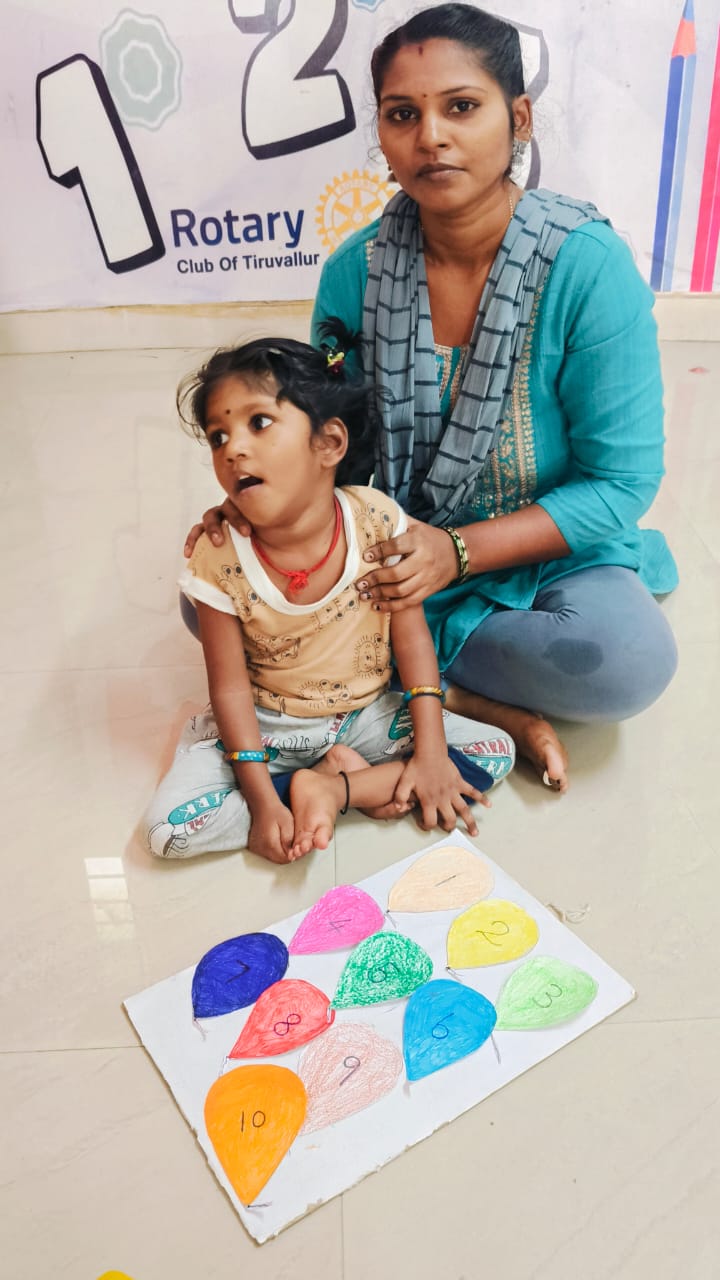
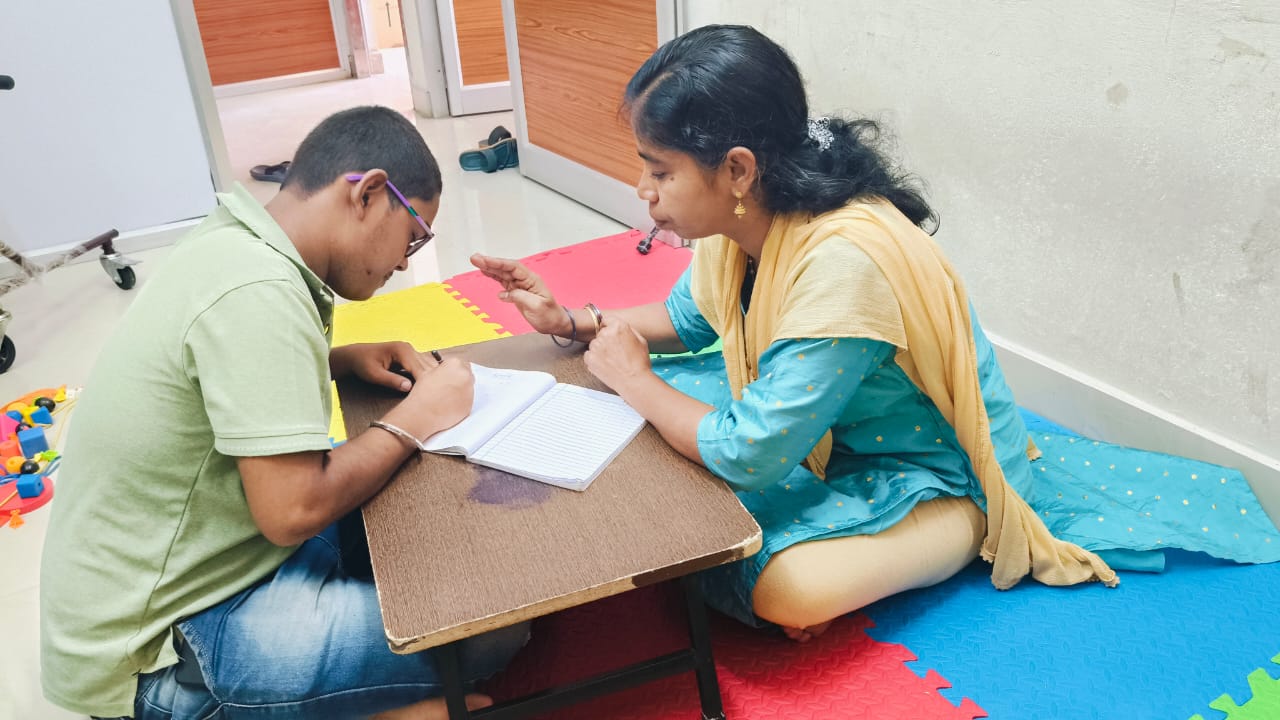
DEIC services include:
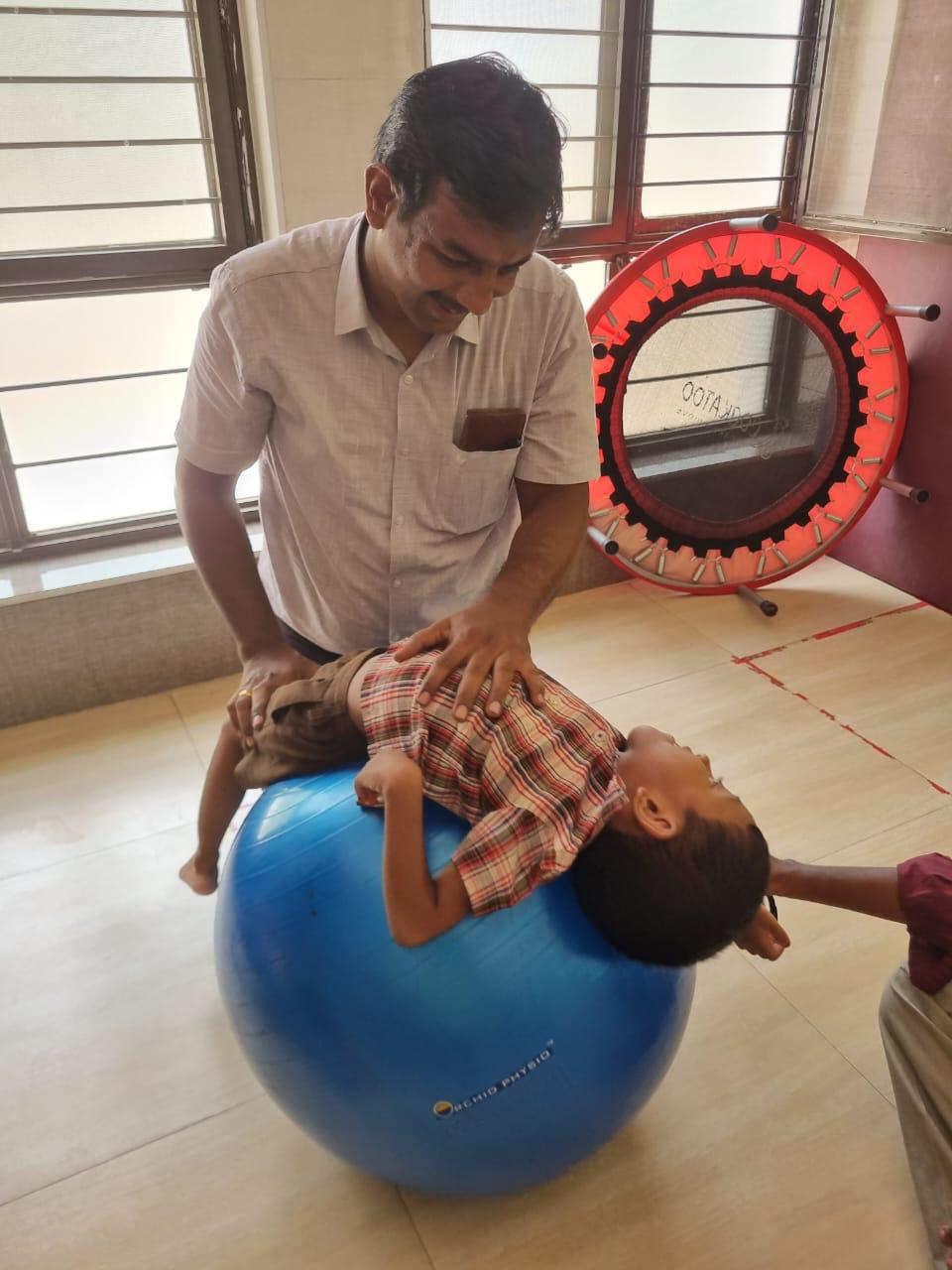
- Medical Therapy
- Physiotherapy
- Psychological Therapy
- Vision Therapy
- Hearing Therapy
- Dental Care
- Nutritional Therapy
- Behavioural Therapy
Free Treatment Support
Children diagnosed with major conditions receive free surgical treatment under the Chief Minister Comprehensive Health Insurance Scheme (CMCHIS).
Congenital Heart Disease
Cleft Lip & Palate
Rheumatic Heart Disease
Congenital Deafness
Congenital Cataract
Clubfoot
Neural Tube Defects
Recognition & Awards
Tamil Nadu received the Best Convergent Mechanisms Award from the Ministry of Health & Family Welfare, Government of India for effective implementation of the RBSK Programme along with the School Health and Wellness Ambassador Programme during 2022–2023.