

Tribal Health
Tamil Nadu has implemented a range of focused healthcare initiatives to improve access, reduce health inequities, and strengthen maternal, child, and community health outcomes among tribal populations living in remote, hilly, and hard-to-reach areas. These interventions include Birth Waiting Rooms, Tribal Referral Services, Tribal Bed Grant Scheme, Tribal Counsellors, Sickle Cell Anaemia Programme, Haemoglobinopathy Screening, Integrated Treatment Centres, and Tribal Mobile Medical Units.
Occupational Health Programme
In Tamil Nadu, the unorganized sector constitutes 93% of the total workforce (Census 2011). Workers are often exposed to occupational hazards leading to diseases such as Silicosis, Asbestosis, Hearing Loss, Dermatitis, and Spondylosis.
Since many occupational diseases are irreversible, the programme emphasizes early screening, prevention, and timely intervention.
Metabolic Dysfunction–Associated Steatotic Liver Disease (MASLD)
Metabolic Dysfunction–Associated Steatotic Liver Disease (MASLD) is increasingly associated with metabolic risk factors such as obesity, diabetes mellitus, hypertension, and dyslipidemia, and can progress silently to advanced liver disease if not identified early. As per the Global Burden of Disease (GBD) Study 2023, the prevalence of Metabolic Dysfunction-Associated Steatotic Liver Disease (MASLD) in India is 12.74%, while Tamil Nadu records a notably higher prevalence of ,16.09%, highlighting the greater burden of this condition in the State. Since the condition is often asymptomatic in its initial stages, early screening and risk stratification are essential for timely intervention and management.
Diabetic Nephropathy/ Siruneeragam Kaapom Thittam
Chronic Kidney Disease (CKD) is caused by uncontrolled Hypertension and Diabetes. According to the GBD Study 2023, the prevalence of Chronic Kidney Disease attributable to Type 2 Diabetes Mellitus is 2.47% in Tamil Nadu compared to 1.93% Nationally, highlighting the higher burden of Diabetic Nephropathy in the State. Since CKD often remains asymptomatic in its early stages, early detection through routine screening is therefore critical to enable timely intervention, prevent disease progression, reduce complications, and improve long-term health outcomes.
Retinopathy
Diabetic Retinopathy is one of the leading causes of preventable blindness among adults of working age and poses a significant Public Health challenge. The SMART India Study (Lancet Global Health, 2022) estimates the National prevalence of Diabetic Retinopathy at 12.5% and vision-threatening Diabetic Retinopathy (VTDR) at 4.0% among the Diabetic population, with approximately 3 million people aged 40 years and above having VTDR in India. As the condition often remains asymptomatic until advanced stages, early screening and timely intervention are critical to prevent vision loss and preserving quality of life.
Universal Health Coverage (UHC)
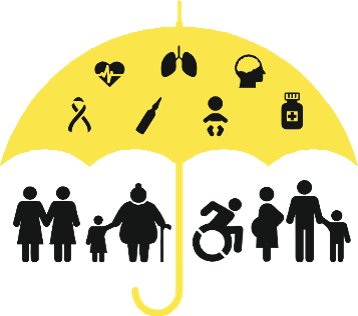
The aim of Universal Health Coverage (UHC) is to ensure that all individuals have access to comprehensive, essential and quality health services including prevention, promotion, treatment, rehabilitation and palliative care without facing financial hardship. In Tamil Nadu, the UHC programme is implemented under the initiative “Anaivarukkum Nalavazhvu Thittam”.
MusQan

MusQan is a nationwide initiative dedicated to strengthening the quality of pediatric care across public health facilities. It sets clear standards for child-friendly infrastructure, compassionate clinical practices, and a safe, welcoming environment — ensuring every child who visits a health facility receives care that is not just effective, but gentle and reassuring too.
Kayakalp
The Kayakalp initiative serves as the national benchmark for promoting cleanliness, hygiene, and infection control practices across public health facilities. Developed to systematically incentivize healthcare institutions, this framework rewards facilities that demonstrate exemplary commitment to environmental sanitation, waste management, and patient satisfaction. By embedding strict hygiene protocols into daily operations, Kayakalp plays a critical role in preventing healthcare-associated infections and enhancing patient safety. Ultimately, the initiative transforms the physical environment of care, restoring public confidence and fostering a culture of pride and cleanliness within the healthcare system.
LaQshya
LaQshya is a national initiative by the Ministry of Health & Family Welfare aimed at improving the quality of care in Labour Rooms and Maternity Operation Theatres, ensuring every mother and newborn receives safe, respectful, and dignified care during delivery and the immediate post-partum period. Facilities that meet quality benchmarks under NQAS assessment are LaQshya certified, with Platinum, Gold, or Silver recognition based on their performance — reinforcing India’s commitment to reducing maternal and newborn mortality and improving birthing experiences at public health facilities.
National Quality Assurance Standards (NQAS)
NQAS is a national certification program launched by the Ministry of Health & Family Welfare in 2015 to recognize and reward public health facilities that deliver high-quality, safe, and patient-centered care. Facilities are assessed against defined quality standards covering infrastructure, processes, and outcomes — those scoring 70% or above earn national or state certification, along with financial incentives, as a mark of excellence and trust for the community they serve.